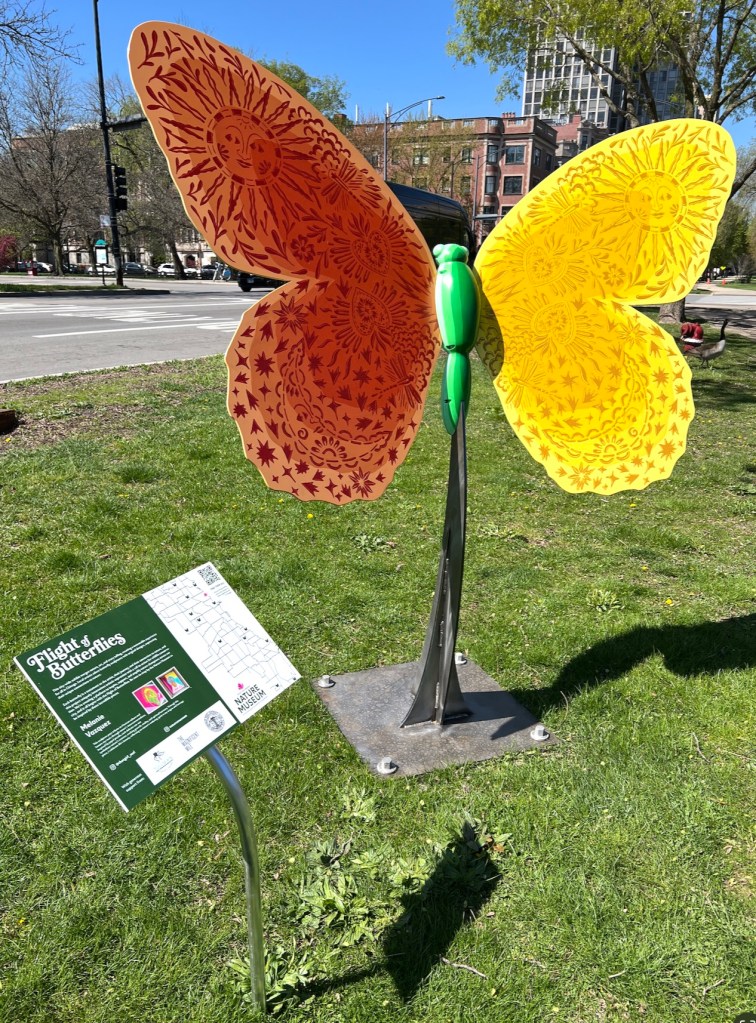
Chicago will bloom this summer with an amazing outdoor art show. The Peggy Notebaert Nature Museum brings “Flight of Butterflies” to the city. This event places 29 big butterfly sculptures all over key spots, like the Magnificent Mile and many city parks.
Art and Nature Together
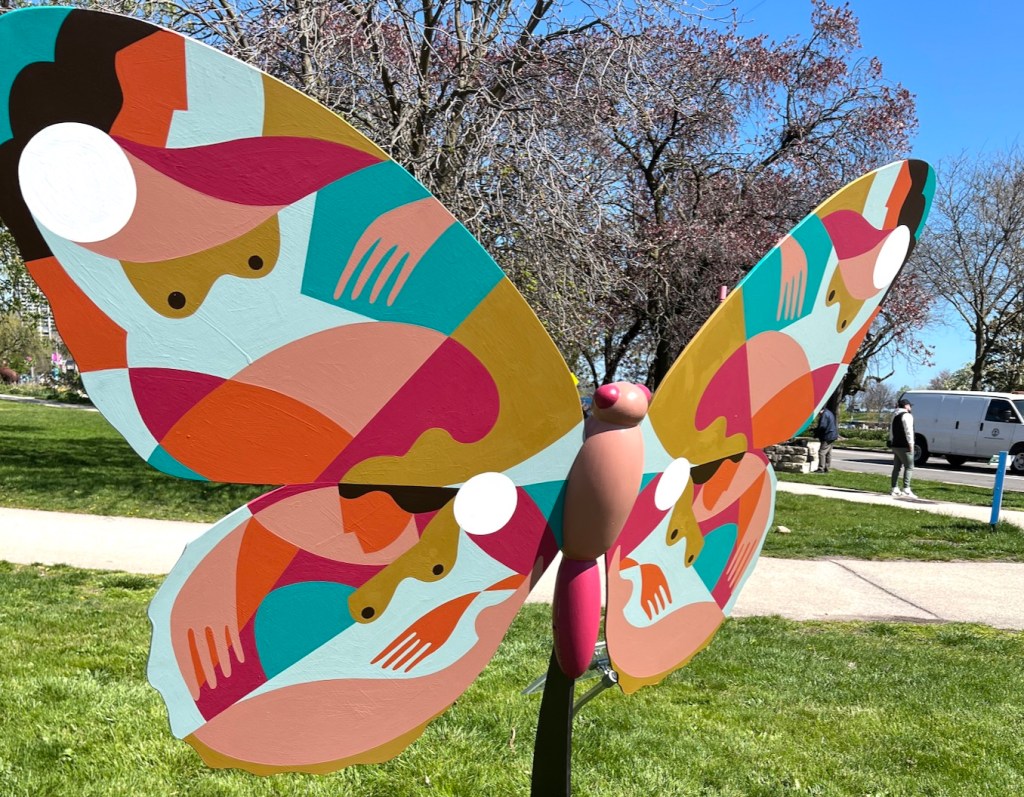
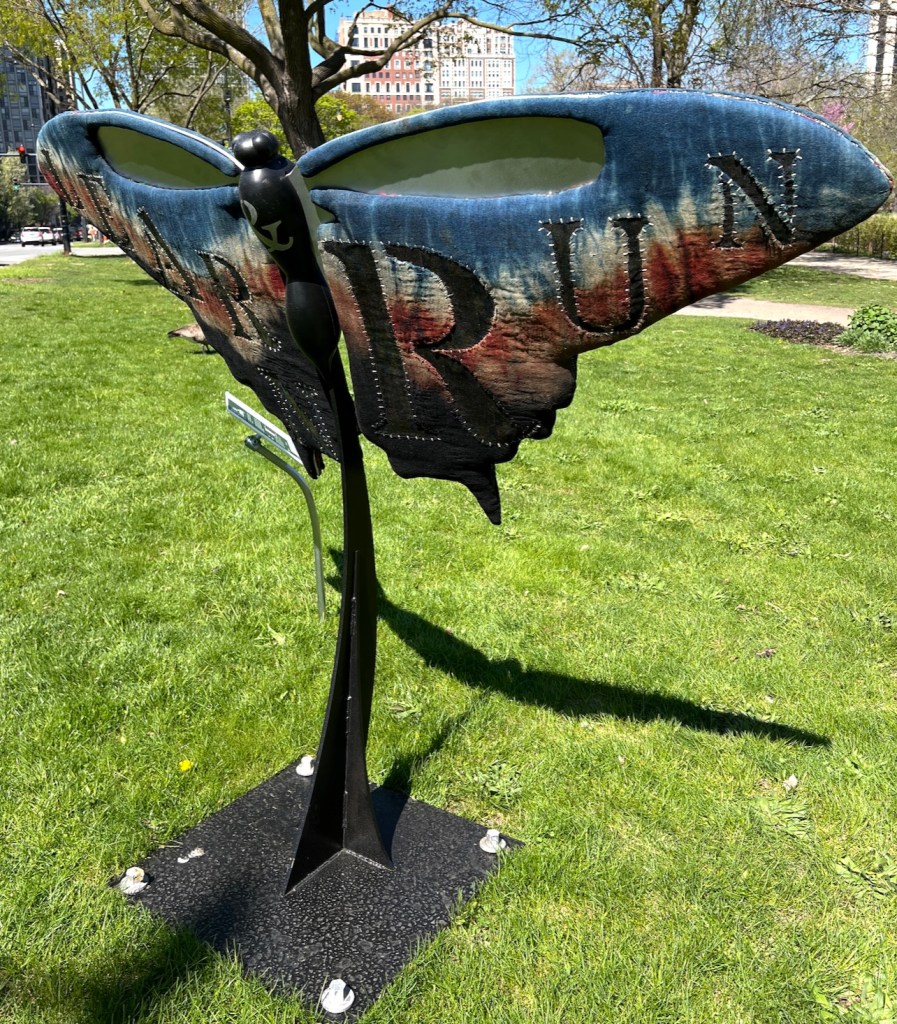
These sculptures are designed by local artists and groups. They are six feet tall and shaped like butterflies. Some examples include the eastern tiger swallowtail and the regal fritillary. They use steel and aluminum for the wings. Each one tells a story about nature and the community.
A Deeper Connection
The Flight of Butterflies is more than just art. It teaches about conservation and biodiversity. These sculptures remind us of the link between cities and nature. They start at the museum and then spread across the city, inviting people to connect with art and nature.
Artists and Community Collaboration
ChiLab Studio partnered with the Nature Museum to help make this happen. They provided space and support for the artists. This project shows how working together can create something beautiful and educational.
Why This Matters
This exhibit is a powerful tool for teaching about the environment. By visiting these sculptures, people learn about conservation and the role of art in advocacy. It may even inspire more people to join local efforts to protect nature.
So, if you want to see art and nature come together, check out the Flight of Butterflies. It’s a great way to explore Chicago’s art and natural heritage.
For more details, visit the Nature Museum, SocialWorksChi, and Choose Chicago.
Sources
Celebrating Art and Nature: The Flight of Butterflies Exhibit
Chicago’s summer will be extra special this year with a unique art exhibit that merges art and nature. The Peggy Notebaert Nature Museum presents the “Flight of Butterflies,” an outdoor showcase featuring 29 large butterfly sculptures. These sculptures will be placed in key spots like the Magnificent Mile and various city parks, making our city even more beautiful.

A diverse group of local artists and community groups designed these six-foot sculptures. They modeled them after butterfly species like the eastern tiger swallowtail and the state-threatened regal fritillary. Made from steel with aluminum wings, these sculptures are both eye-catching and educational.
ChiLab Studio played a big role in this project. They designed the cast metal bodies and provided space and support for the artists, helping to make these sculptures a reality.
This exhibit is not just about art. It’s also about telling stories and raising awareness about conserving nature. It highlights the museum’s efforts in biodiversity and shows how urban areas and nature are connected.
The sculptures will first be displayed at the museum. Then, they will move to different parts of the city. This encourages everyone to enjoy and learn from the art in their own neighborhoods.
By visiting these sculptures, you can learn about the role of art in promoting nature conservation. This might even inspire you to join local conservation efforts.
If you want to see this mix of art and nature, the Flight of Butterflies exhibit is a must-visit. It offers a wonderful way to explore Chicago’s artistic and natural heritage.
For more details on the exhibition, visit the Nature Museum.
FAQs
Q: Where can I see the Flight of Butterflies exhibit?
A: The exhibit starts at the Peggy Notebaert Nature Museum and then moves to different spots in Chicago like the Magnificent Mile. (Keywords: butterfly exhibit locations, Chicago art exhibit)
Q: Who designed the butterfly sculptures?
A: Local artists and community groups designed the sculptures. They took inspiration from real butterfly species. (Keywords: butterfly sculpture artists, local artists)
Q: What are the sculptures made of?
A: The sculptures are made from steel and have aluminum wings. (Keywords: sculpture materials, steel sculptures)
Q: How does the exhibit raise awareness about conservation?
A: The exhibit shows the connection between urban areas and nature. It also highlights efforts in biodiversity conservation. (Keywords: conservation awareness, biodiversity exhibit)
Q: Can I get involved in local conservation efforts?
A: Yes, visiting the exhibit can inspire you to join local conservation projects. (Keywords: local conservation, community conservation efforts)

 Artisanal Metals
Leave a comment