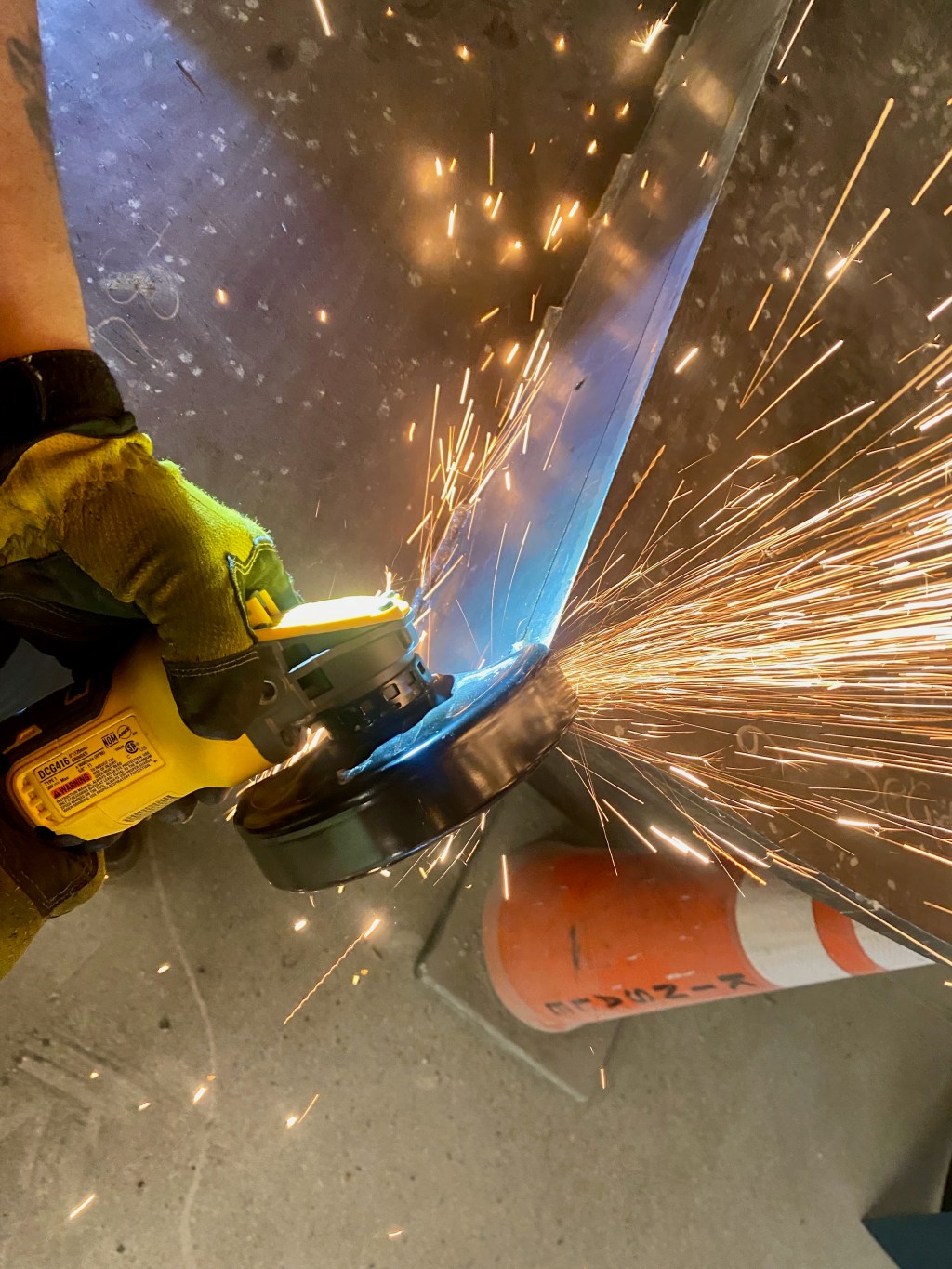
In the realm of contemporary art, a transformation is underway. As artists increasingly step back from the physical creation of their work, a new group of professionals is emerging from the shadows: the fabricators. These skilled craftspeople, once relegated to the background, are now being recognized as integral to the art-making process.
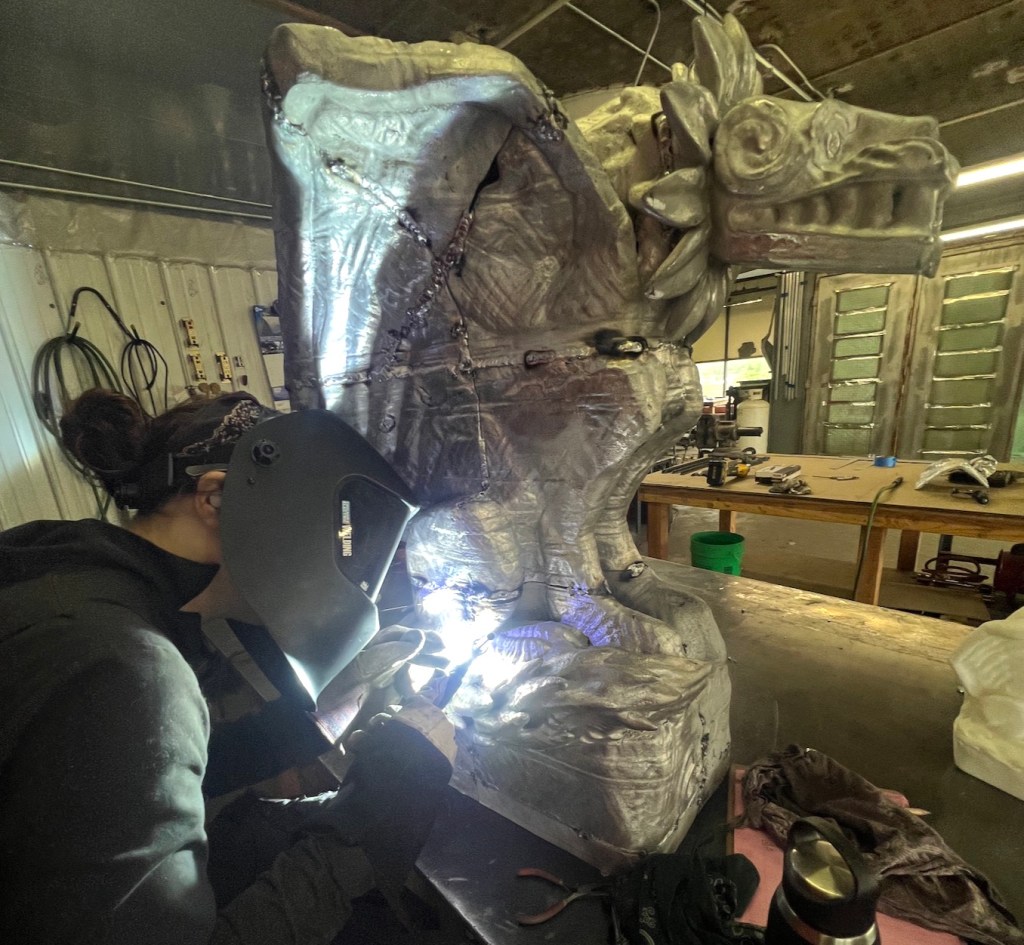
The Myth of the Solitary Artist
The romantic image of the artist working alone in a studio, hands stained with paint or dust, persists in our collective imagination. We envision Rodin chiseling away at marble in Meudon, Bacon hunched over canvases in South Kensington, or Calder manipulating wire in his Connecticut workshop. However, the reality of contemporary art creation is far more collaborative and technologically advanced.
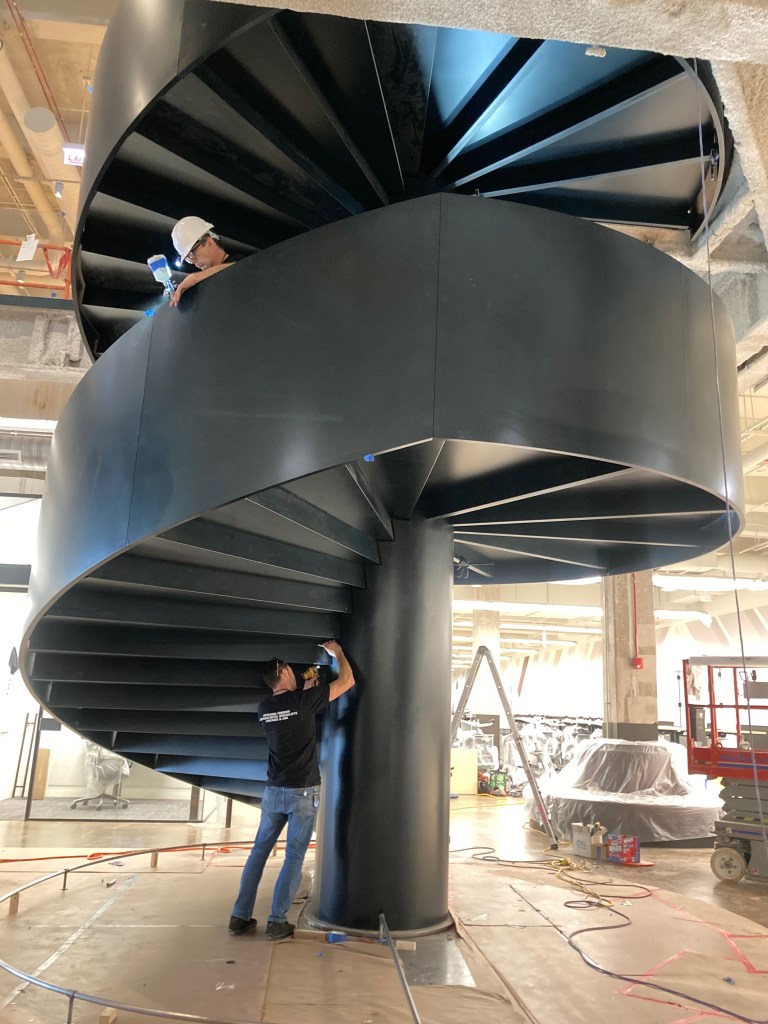
The Rise of the Fabricator
As the art world has expanded, so too have the scale and complexity of artworks. New techniques, materials, and computer-assisted design have made possible creations that were once unimaginable. This evolution has brought the role of fabricators to the forefront.
Fabricators are the skilled professionals who turn artists’ concepts into reality. They work with a wide range of materials and techniques, from metalwork and neon to 3D printing and digital rendering. Their expertise is crucial in realizing the monumental sculptures, intricate installations, and technologically complex pieces that define much of contemporary art.
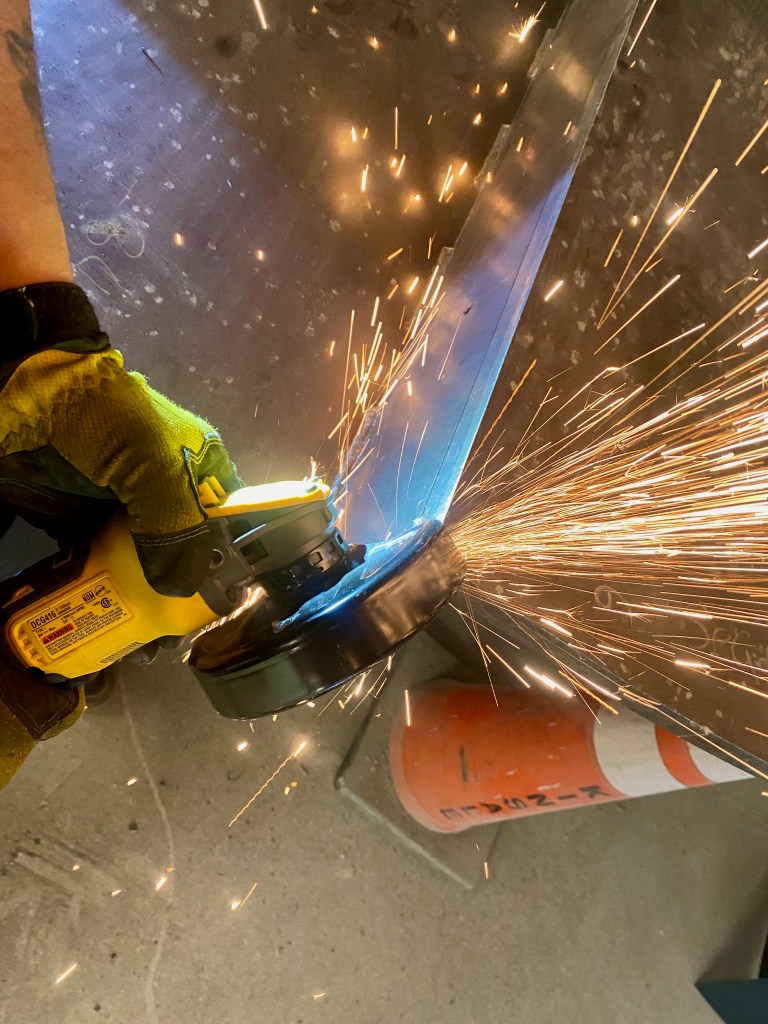
A Historical Perspective
The idea of artists outsourcing the physical creation of their work is not new. As far back as the 17th century, artists like Rembrandt employed large staffs of assistants to produce paintings that would ultimately bear the master’s signature. However, the scale and scope of this collaboration have expanded dramatically in the modern era.
The mid-to-late 1950s saw the emergence of Pop and Conceptual Art, movements that prioritized spectacle and idea over traditional craftsmanship. This shift created a demand for skilled workers who could bring artists’ visions to life, whether by bending steel or casting in resin.
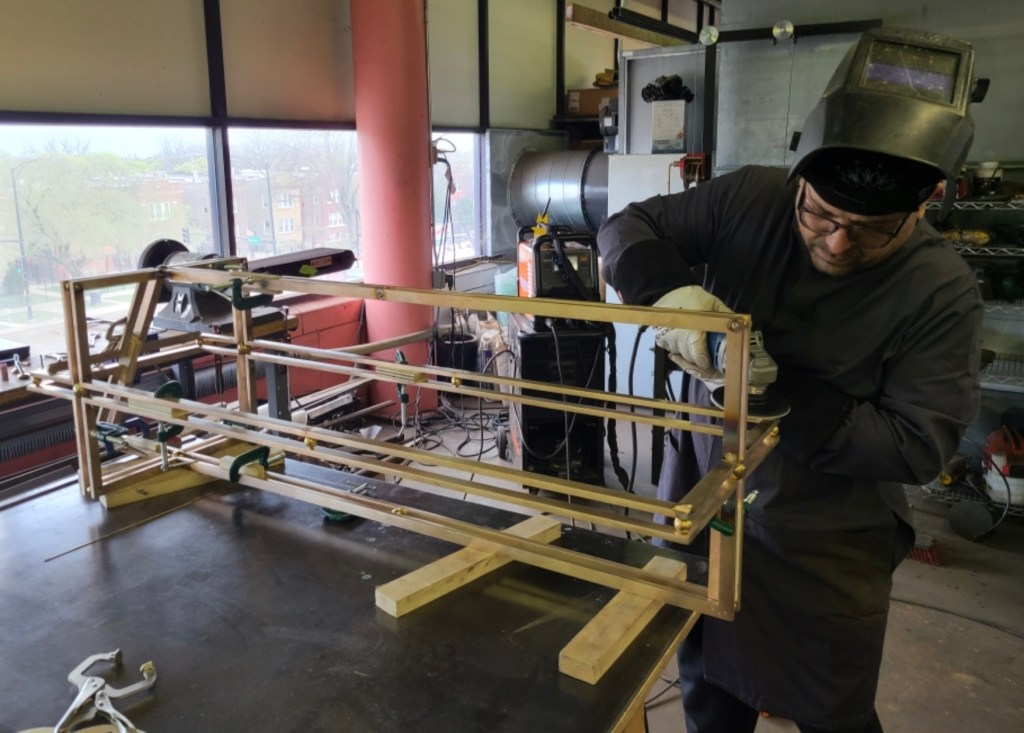
The Fabricator’s World
Several prominent fabrication studios have made their mark on the art world:
- UAP+Polich Tallix: With a legacy that dates back to 1968, Polich Tallix is one of the country’s premiere fine art foundries, providing artists with the industrial capabilities and technological expertise required to realize their creative vision.
- MAX CNC: Max Davis founded MAX CNC in January 2018. The company specializes in digital fabrication, including modeling, rendering, prototyping, and manufacturing.
- ChiLab Studio: Led by Ben Stagl and Ally Reza in Chicago, this studio specializes in cast glass and metal art and has collaborated with artists like Jina Valentine and Leonard Surajaya.
These fabricators often start as artists themselves, drawn to the field by its inherent creativity and challenge. They act as problem-solvers, engineers, and collaborators, working closely with artists to bring their visions to life.

The Fabricator-Artist Relationship
The relationship between artist and fabricator can be deeply symbiotic. Leonard Suryajaya’s collaboration with ChiLab Studio on his public sculpture “Homebound” is a prime example. Suryajaya, known for his vibrant photographic installations exploring cultural identity, had not considered large-scale metal fabrication until he visited ChiLab’s workshop. This encounter opened up new possibilities for translating his intricate, colorful designs into a monumental public artwork.
Challenges and Innovations
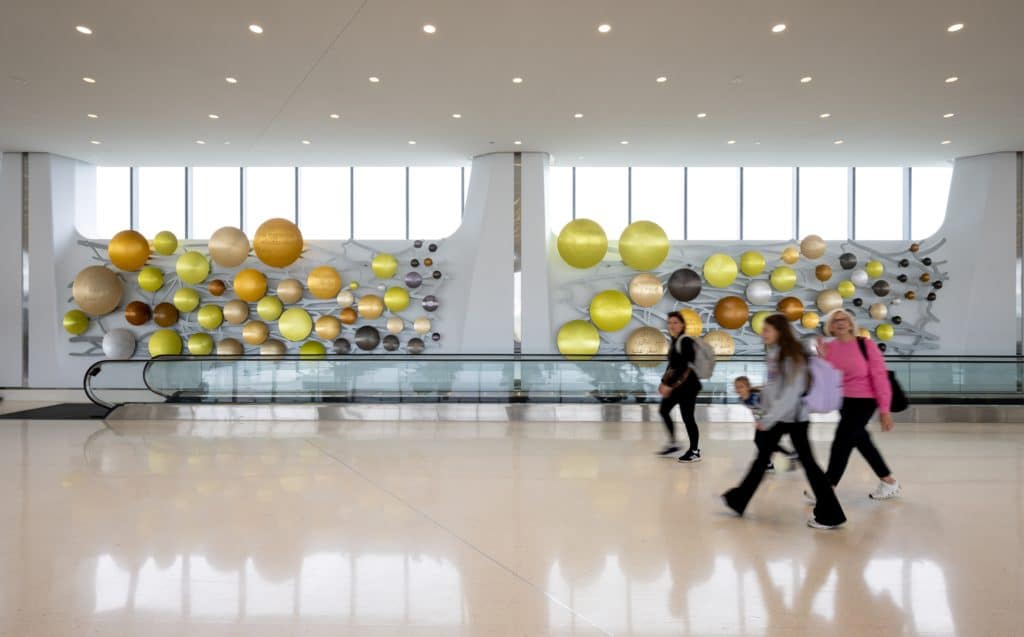
Fabricators often face unique challenges that require innovative solutions. When working on Jina Valentine’s installation ‘a murmuration’ for O’Hare International Airport, ChiLab Studio encountered several hurdles that demanded creative problem-solving. The 450-foot artwork, representing over 200 years of immigration to Illinois, required the production of color-coded discs made from zinc-plated steel and anodized aluminum.
ChiLab had to develop a method to ensure the durability of the colored finishes in the high-traffic airport environment while maintaining the visual integrity of Valentine’s design. .
The Future of Fabrication
As contemporary art continues to push boundaries, the role of fabricators is likely to become even more crucial. Their technical expertise, problem-solving skills, and ability to collaborate closely with artists make them indispensable in realizing complex, large-scale artworks.
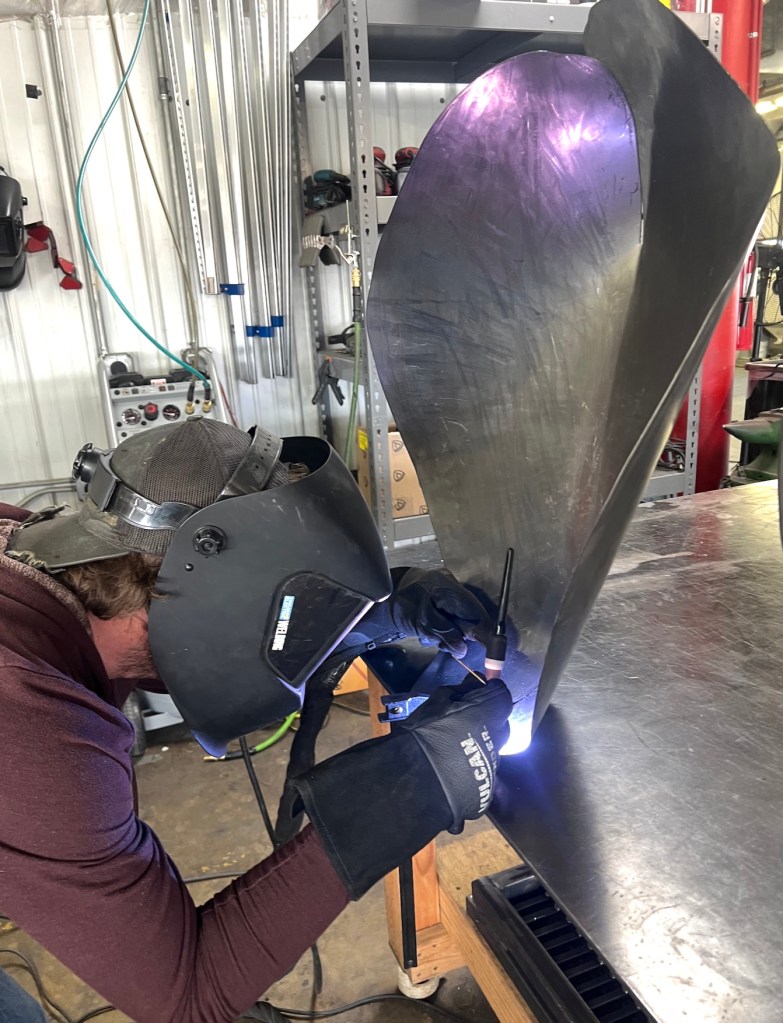
ChiLab Studio: A turn-key solution for artists and designers.
Emerging as a significant contributor to the art fabrication landscape is ChiLab Studio. Founded by a team of interdisciplinary experts, ChiLab Studio has quickly gained recognition for its innovative approach to art fabrication.
ChiLab Studio specializes in integrating cutting-edge technology with traditional craftsmanship. Their work spans a wide range of mediums, from large-scale installations to intricate multimedia pieces.
ChiLab Studio’s emergence underscores a growing trend in the art world: the increasing importance of fabricators who can navigate both traditional techniques and cutting-edge technologies. Their work demonstrates how fabricators are not just executing artists’ visions, but actively contributing to the creative process through their technical innovations and problem-solving capabilities.
Conclusion
As contemporary art continues to evolve, fabricators like those at UAP + Polich Tallix, MaxCNC, and ChiLab Studio are playing an increasingly vital role. They are the unsung heroes who bring artists’ visions to life, pushing the boundaries of what’s possible in art creation. Their expertise, innovation, and collaboration are shaping the landscape of contemporary art, making them not just facilitators, but essential partners in the creative process.
The art world is gradually recognizing the importance of these skilled professionals. As we move forward, it’s clear that the future of contemporary art lies not just in the minds of visionary artists, but also in the hands of the talented fabricators who turn those visions into reality.

 Artisanal Metals
Leave a comment